
KYT (Hazard Prediction Training): The 4-Round Method and How to Run It
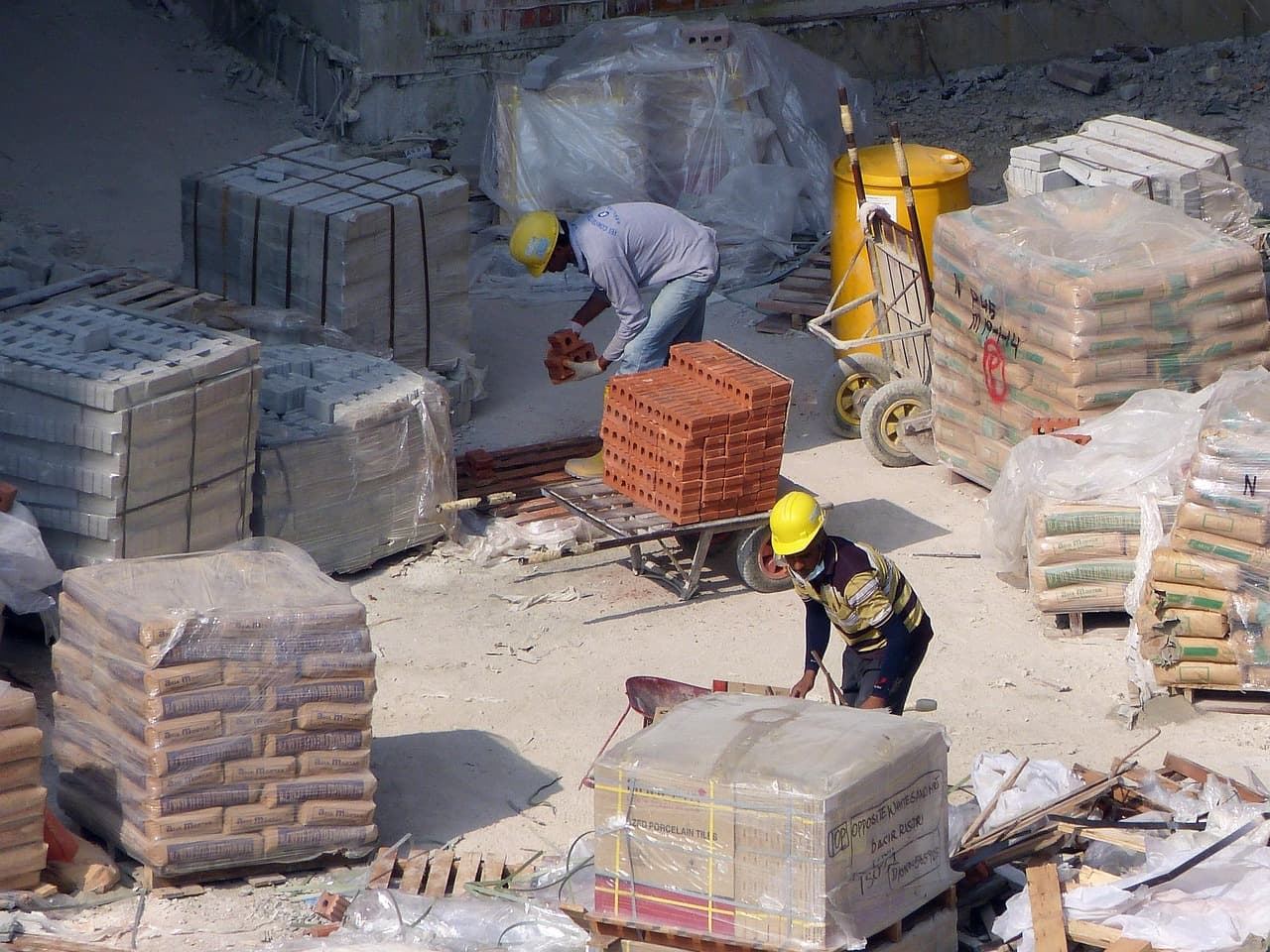
What if you could stop that split-second "close call" before it ever became an accident? Anyone who works on a manufacturing, construction, or logistics floor has had that thought. KYT — Kiken Yochi Training, or hazard prediction training — is the method for training that "power to notice" as a team.
The trouble is, when teams try to start, they often get stuck: what do we talk about, and in what order? How do we avoid it becoming an empty ritual? KYT has a fixed format that keeps you on track — the 4-round method.
This guide walks through the purpose of KYT, the four rounds, a 5-step rollout for the floor, and the pitfalls to avoid. At the end, we show how to make the activity visible as a flowchart. By the time you finish, you'll be ready to run it at tomorrow's morning meeting.
What you'll learn
- What KYT means and the three effects it brings to the floor
- The role of each round in the core 4-round method
- A 5-step path from rollout to making it stick
- How to keep KYT alive and visualize it as a flowchart
What Is KYT? The Goal of Hazard Prediction
KYT stands for Kiken Yochi Training — Japanese for "hazard prediction training." It is the practice of surfacing the hazards hidden in a task as a team, deciding on countermeasures, and turning them into action, all before an accident happens — and making that loop a habit.
The key idea is that it does not rely on individual attention. No matter how careful a person is, they miss things. KYT is a system for finding hazards with many sets of eyes and raising the whole team's sensitivity to danger.
Three effects KYT brings to the floor
- Preventing accidents: sharing hazards before work lets you act before a near-miss becomes a real injury
- Building a safety mindset: a short daily activity makes "looking for danger" a team habit
- Better communication: it becomes a place to speak across ranks, passing veterans' tacit knowledge to newer members

Minami
Process improvement lead
Honestly, the daily safety chant already feels like a box-ticking exercise. Won't KYT just become another empty ritual?

Spark
DrillSpark consultant
Great question. The trick is that the team finds the hazards and decides the countermeasures themselves. You're not reciting a given rule — you're thinking as the person responsible. That's why it sticks. The format that makes it happen is the 4-round method.
The Core of KYT: The 4-Round Method
The 4-round method is the most basic format for running KYT. Using one illustration or a real work scene, you move through four stages in order. It follows the natural flow of thinking: find hazards, narrow them down, plan countermeasures, and decide on action.
| Round | Name | Prompt | Output |
|---|---|---|---|
| 1R | Grasp the situation | What hazards are hidden here? | List as many hazard factors as possible |
| 2R | Find the essence | This is the key danger | Narrow to the one or two most important hazards |
| 3R | Plan countermeasures | What would you do? | Surface concrete countermeasure ideas |
| 4R | Set the target | This is what we will do | Decide on one team action target |
Drawn as a diagram, the four rounds form a single path. The standard close is a "point-and-call" check, where the team says the chosen action target out loud while pointing at it.
How to Run KYT in 5 Steps
Here is the path from introducing the 4-round method to making it stick, in five steps. Don't aim for perfection at first — the trick is to start small with one team.
- Pick the material: choose an illustration, photo, or real workspace close to that day's task
- Choose roles: pick a facilitator (leader) and a note-taker. Rotating the leader makes everyone an owner
- Run the four rounds: grasp the situation, find the essence, plan countermeasures, set the target — together
- Point-and-call: confirm the chosen action target out loud while everyone points at it
- Record and review: log the hazards and countermeasures, and feed them into the next day and the PDCA cycle

Spark
DrillSpark consultant
One tip: in 1R, don't look for the "right answer." Get every idea out first, even the odd ones. The seed of a hazard is often found from an unexpected angle.
Why Visualize KYT as a Flowchart
When KYT is more than an on-the-spot verbal activity — when it is captured as a flowchart — the quality of the activity rises. You can see at a glance which step of the work holds which hazard, and which countermeasure applies.
Three benefits of putting it in a flowchart
- Fewer missed hazards: assigning hazards per step makes "we forgot this task's danger" far less likely
- Useful for training: you can point at the figure and say "this is the risk," which lands better than words alone
- A record of improvement: comparing before and after as diagrams turns safety work into a lasting asset
Drawing flowcharts by hand from scratch is tedious, though. With DrillSpark, you just describe the flow of the work and AI organizes it into a flowchart, helping you surface the hazard points too. There's a safety-KYT template ready, so you can start building along the 4-round format right away.
Common KYT Pitfalls and Fixes
KYT pays off the longer you keep it up — but it also slips into an empty ritual easily. Here are the typical stumbles and how to fix them.
| Common failure | Why it happens | Fix |
|---|---|---|
| It ends as just a slogan | The target is abstract and doesn't lead to action | Make the 4R action target concrete: who does what, how |
| Only the same people speak | The bar to speak up is high | Rotate the leader; require everyone to say at least one item in 1R |
| It gets stale | Same material, same hazards every time | Swap the material and bring in real near-miss cases |
Minami
Process improvement lead
I see — make the action target concrete. Not "be careful" but "climb the stepladder with three points of contact." Put that way, I'd still remember it the next day!
Summary: KYT Works Through Format and Repetition
KYT trains the whole team's sensitivity to danger without relying on individual attention. When in doubt, follow the 4-round format — grasp the situation, find the essence, plan countermeasures, set the target — and you won't go far wrong.
What matters is not long debate but keeping it up every day, even briefly, and turning the chosen target into concrete words that point-and-call drills into the body. Capture the activity as a flowchart and the hazard-to-countermeasure mapping becomes clear — an asset for training and improvement. Start at tomorrow's morning meeting with a single task.
Related Templates
Visualize KYT (Kiken Yochi Training) 4-round method. Situation grasp, root cause pursuit, countermeasure planning, and goal setting flowcharts.
Visualize quality inspection from incoming, in-process, and final inspection to defect handling. ISO 9001-compatible QC flowcharts with AI customization.
Visualize the Plan-Do-Check-Act management cycle. From goal setting and KPI definition to execution, evaluation, and improvement.